Welcome to
RyRy Paints
This is Ryan Martin’s education page, a dedicated space to explore the various topics covered during Ryan’s in-person lectures on art materials. Additionally, this page serves as a valuable resource for assets and other key information discussed on Ryan’s YouTube Channel: RyRy Paints.
Lectures & Demonstrations
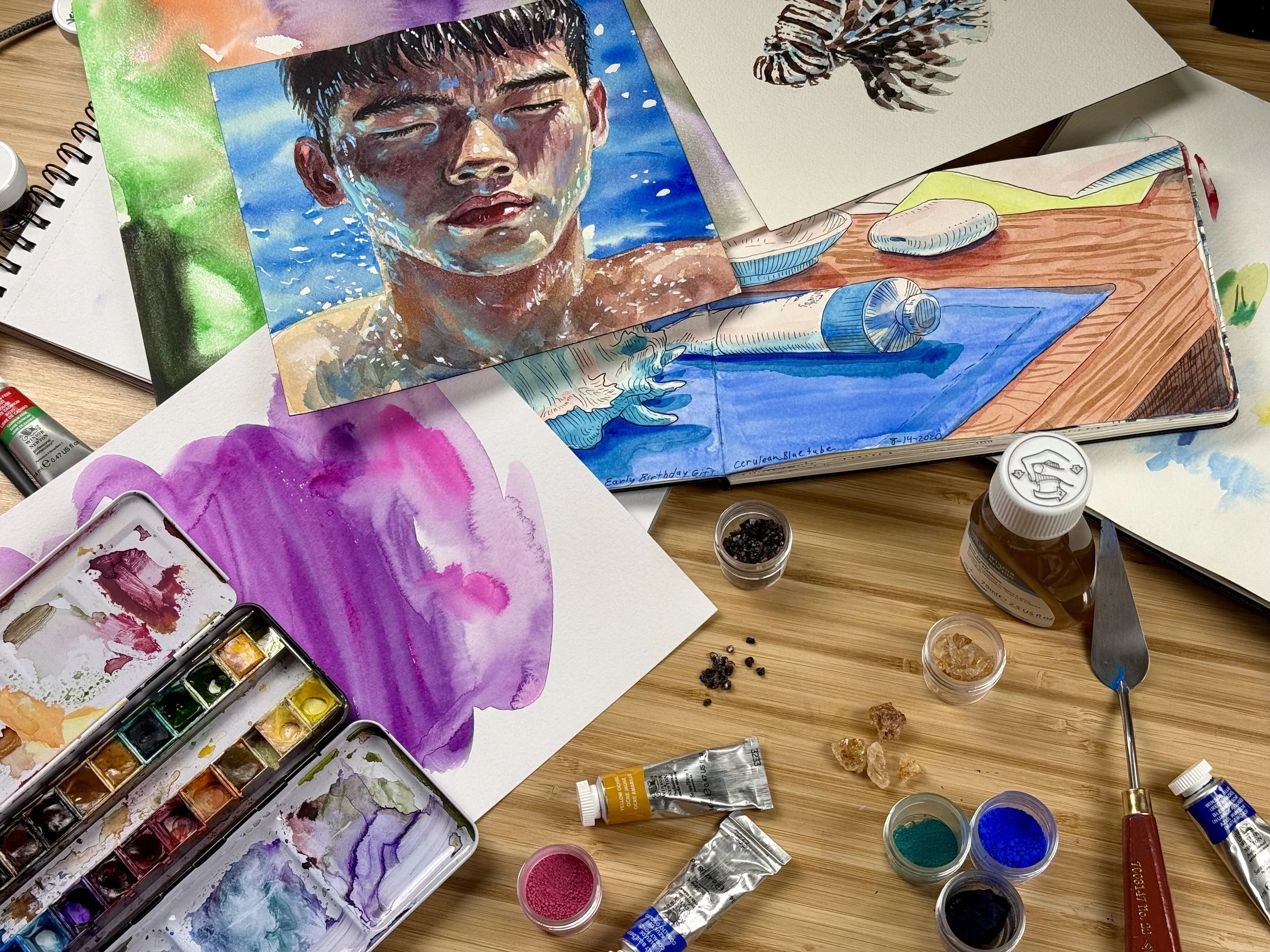
Watercolor Lessons
A collection of watercolor lectures, demonstrations, projects, and everything you ever wanted to know about watercolor.
(This is a work in progress, check back soon for more lessons)

Oil Painting Lessons
Coming Soon…
Youtube Channel - Watercolor
SUPPLY LIST
Everything you need to get started with Watercolor Painting. My recommendations.
$ I’m curious about watercolor, but want to spend as little as possible
-
Winsor & Newton Professional Watercolour - Winsor Blue (Green Shade) 5ml Tube
Why I recommend this paint tube? This color is dark straight from the tube (it has a dark mass tone). Dark colors give you more value range to use when trying watercolor. Why do I recommend a Professional Watercolour line instead of a student/entry level watercolor range like Cotman which is cheaper? The Professional Watercolour range has more pigment, and you’ll experience a better representation of what watercolor has to offer.
-
Winsor & Newton Professional Watercolour Synthetic Brush, Round #6
Why I recommend this paintbrush? This is as close as you can get to a natural sable hair brush without spending the cost of a sable brush. To avoid the frustration of the brush not holding enough water, this synthetic sable brush will hold more water/paint than a typical synthetic brush.
-
This Gets Complicated…
If you’re looking to stay within a tighter budget, this is a paper I would recommend. That said, I do want to share a bit of context. With watercolor, the paper plays a huge role in the overall experience. Unlike oil or acrylic, where you can use a cheaper surface and still get solid results, watercolor is much more dependent on the paper. The way the paint flows, granulates, lifts, and blends is all directly affected by what you’re working on. This paper is 100% cellulose, which means it will behave a bit differently. You may notice the paint absorbs more quickly, feels a little less forgiving, and can be more sensitive when reworking or lifting color. Ideally, 100% cotton watercolor paper offers the best experience—it gives you more control, smoother blends, and allows techniques to happen more easily and predictably. But if you’re just starting out or want to try watercolor without spending too much, this would be a solid cheaper choice. It’s a durable cellulose paper that I’ve used quite a bit, and it can absolutely get you started. If you’re curious, I’ve included a few additional notes below on why I personally prefer 100% cotton paper, even for beginners, in case you’re thinking about upgrading down the line.
Arches Watercolor Paper Block, Cold Press, 7" x 10", 140 pound
or
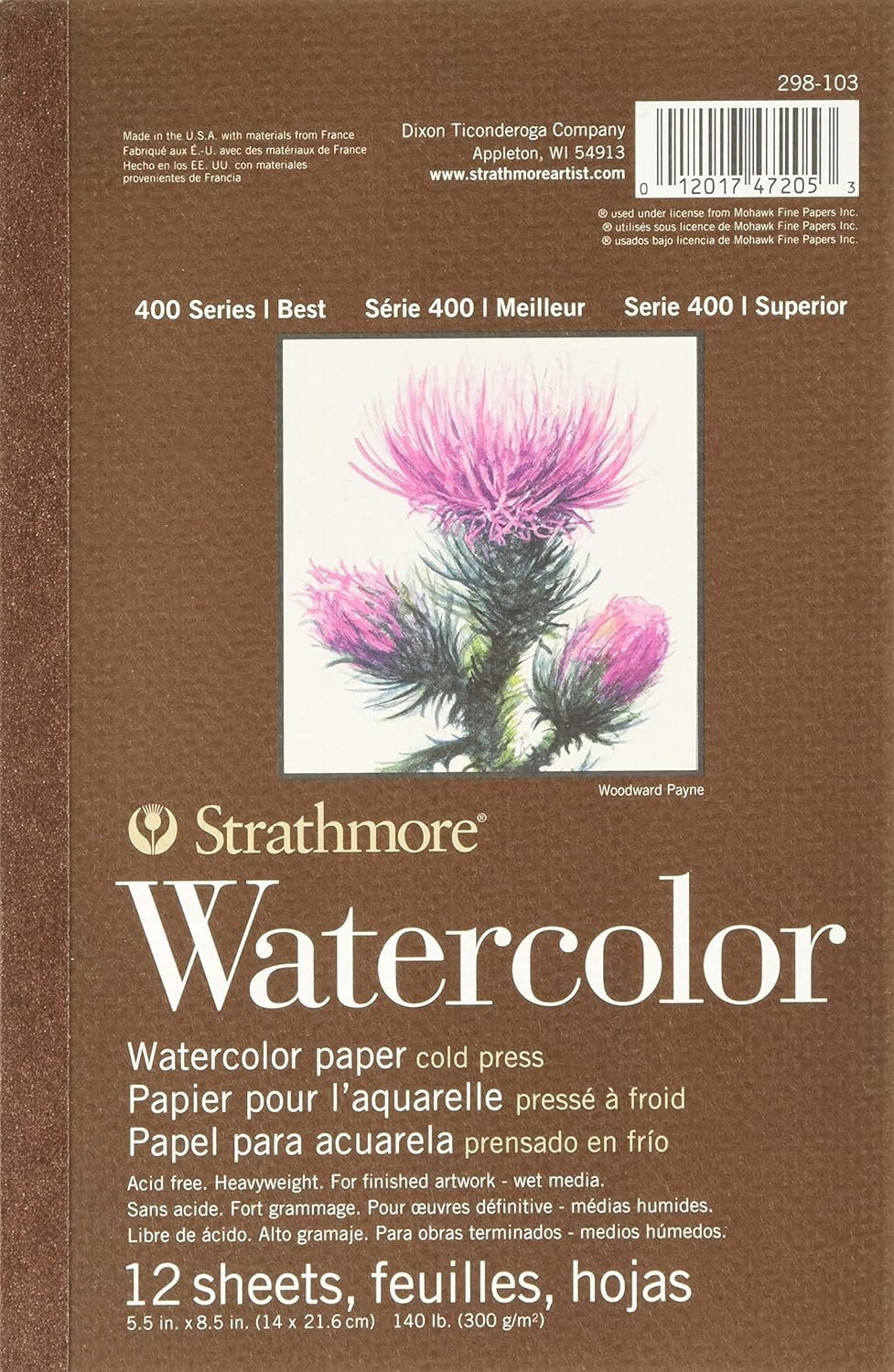
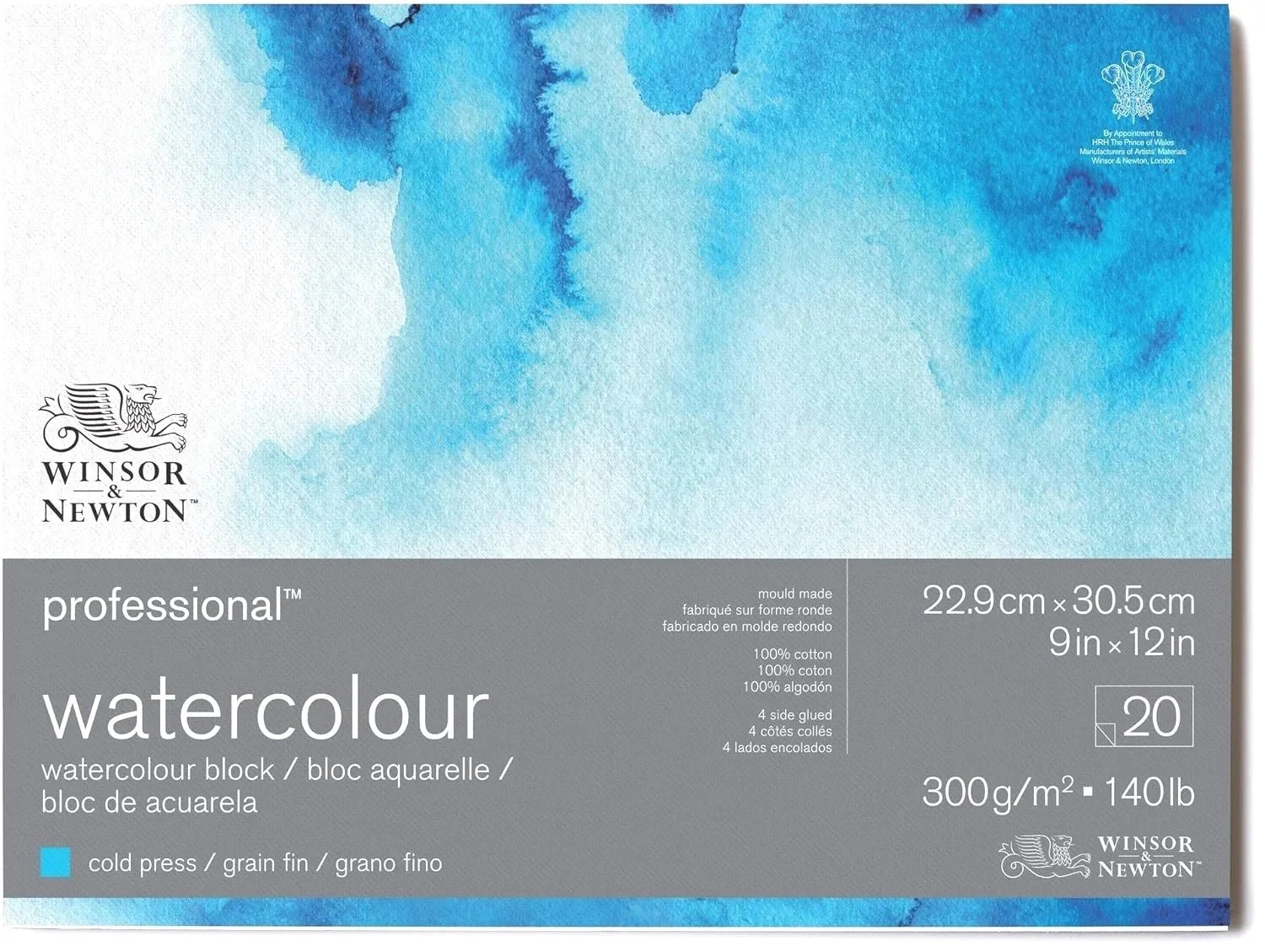
Winsor & Newton Professional Watercolor Paper Block, 9" x 12", Cold Pressed
If you happen to have just a little extra $ to splurge on trying watercolor, I would highly recommend getting better quality paper, such as Arches or Winsor & Newton’s Professional Watercolour Paper, that is 100% cotton watercolor paper. Why 100% watercolor paper?:
Watercolor will behave the way you expect.Water soaks in evenly, not patchy Paint spreads more smoothly instead of streaking. You get time to move the paint around
Blending is easier. Colors melt into each other naturally. Edges stay soft longer. You don’t get that “hard edge too soon” problem
You can fix mistakes easier (huge for beginners). You can lift pigment back out more easily. Lighten areas after they dry. Even gently scrub without destroying the surface
Handles lots of water without buckling. Stays flatter longer. Doesn’t wrinkle as much. You can do big juicy washes.
Colors look richer and cleaner. Pigment sits beautifully in the fibers. Less muddy mixing. Better luminosity. Colors look richer and softer
-
You might already have many of these items at home.
Once a dish is used for watercolor, do NOT use it for food or beverage consumption. Some materials in watercolor can be hazardous if ingested.
2 Old Cups. One for clean water, one for dirty water
Old towel, or paper towels
Old small ceramic or plastic plate to use as a palette
Pencil
Eraser

$$ I’m wanting to try watercolor, but I’m on a budget
-
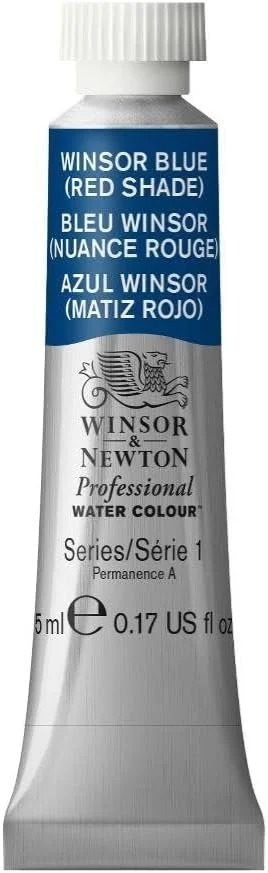
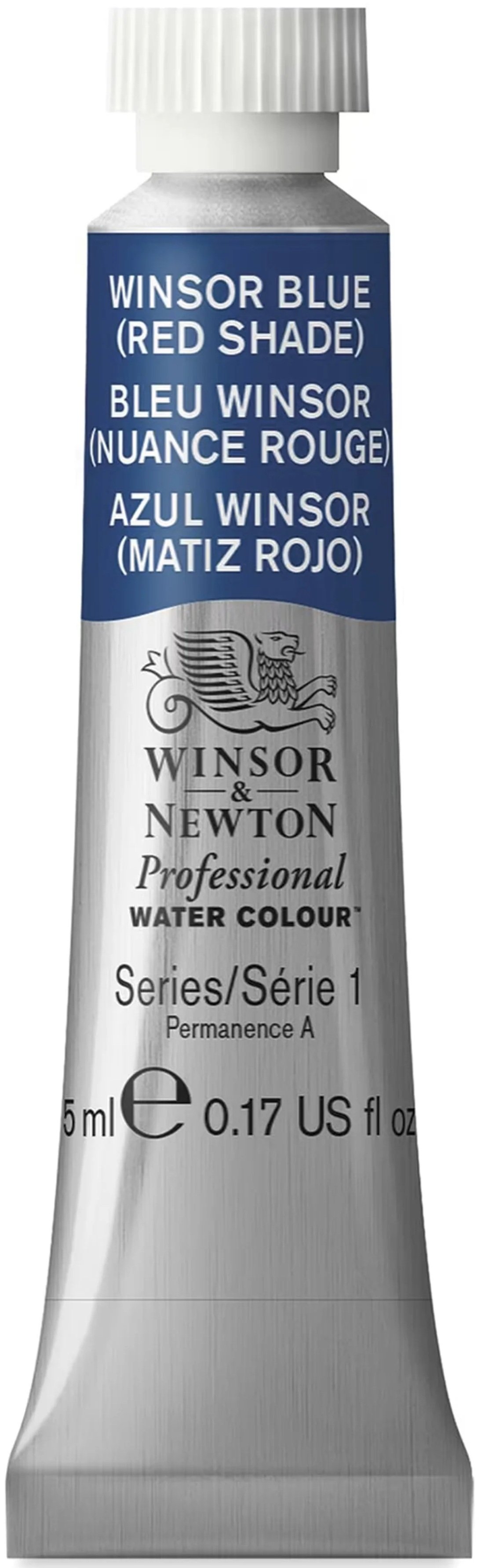
Winsor Blue (Red Shade) - Winsor & Newton Professional Watercolor - 5 ml Tube
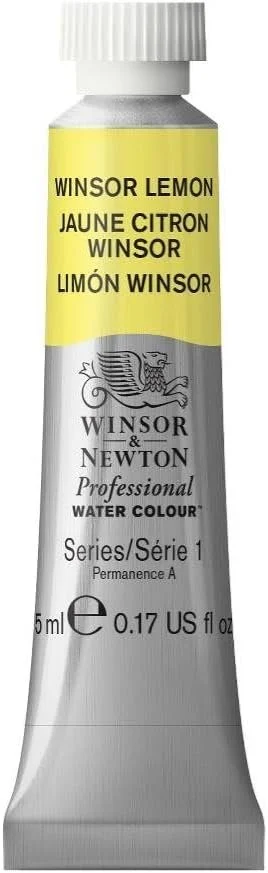
Winsor Lemon - Winsor & Newton Professional Watercolor, 5ml (0.17-oz) Tube
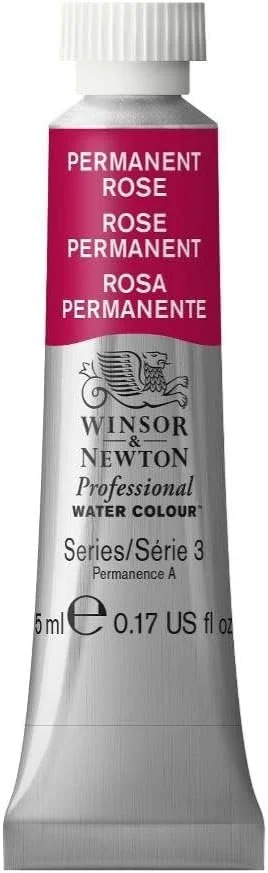
Permanent Rose - Winsor & Newton Professional Watercolor, 5ml (0.17-oz) Tube
Why do I recommend a Professional Watercolour line instead of a student/entry level watercolor range like Cotman which is cheaper? The Professional Watercolour range has more pigment, and you’ll experience a better representation of the lovely saturation that watercolor has to offer. These three colors work as primary colors, to mix other colors. A great way to learn more about color mixing.
OR
If you prefer, NOT to mixing all your colors, try a Cotman set. Just keep in mind, they are less pigmented than professional watercolors, so you’ll need to rub the brush on them longer to pick up more pigment, and be harder to to full saturation…but this set has a wide range of colors to paint from, if color mixing is discouraging for you.
-
Winsor & Newton Professional Watercolour Synthetic Brush, Round #6
Winsor & Newton University Brush - Round, Short Handle, Size 2/0
Why I recommend these paintbrushes? The synthetic sable brush is as close as you can get to a natural sable hair brush without spending the cost of a sable brush. To avoid the frustration of the brush not holding enough water, this synthetic sable brush will hold more water/paint than a typical synthetic brush. For a detail brush, I found the cheaper University Brush holds a point well, and is great for details. And as the tip gets worn on the detail brush, its cheap to replace.
-
Arches Watercolor Paper Block, Cold Press, 7" x 10", 140 pound
or
Winsor & Newton Professional Watercolor Paper Block, 9" x 12", Cold Pressed
I highly recommend getting one of these quality papers, which are 100% cotton watercolor paper. Why 100% watercolor paper?:
Watercolor will behave the way you expect.Water soaks in evenly, not patchy Paint spreads more smoothly instead of streaking. You get time to move the paint around
Blending is easier. Colors melt into each other naturally. Edges stay soft longer. You don’t get that “hard edge too soon” problem
You can fix mistakes easier (huge for beginners). You can lift pigment back out more easily. Lighten areas after they dry. Even gently scrub without destroying the surface
Handles lots of water without buckling. Stays flatter longer. Doesn’t wrinkle as much. You can do big juicy washes.
Colors look richer and cleaner. Pigment sits beautifully in the fibers. Less muddy mixing. Better luminosity. Colors look richer and softer
-
You might already have many of these items at home.
Once a dish is used for watercolor, do NOT use it for food or beverage consumption. Some materials in watercolor can be hazardous if ingested.
2 Old Cups. One for clean water, one for dirty water
Old towel, or paper towels
Old small ceramic or plastic plate to use as a palette
Pencil
Eraser

$$$ I’m ready to start watercolor, but want to be mindful of costs
-
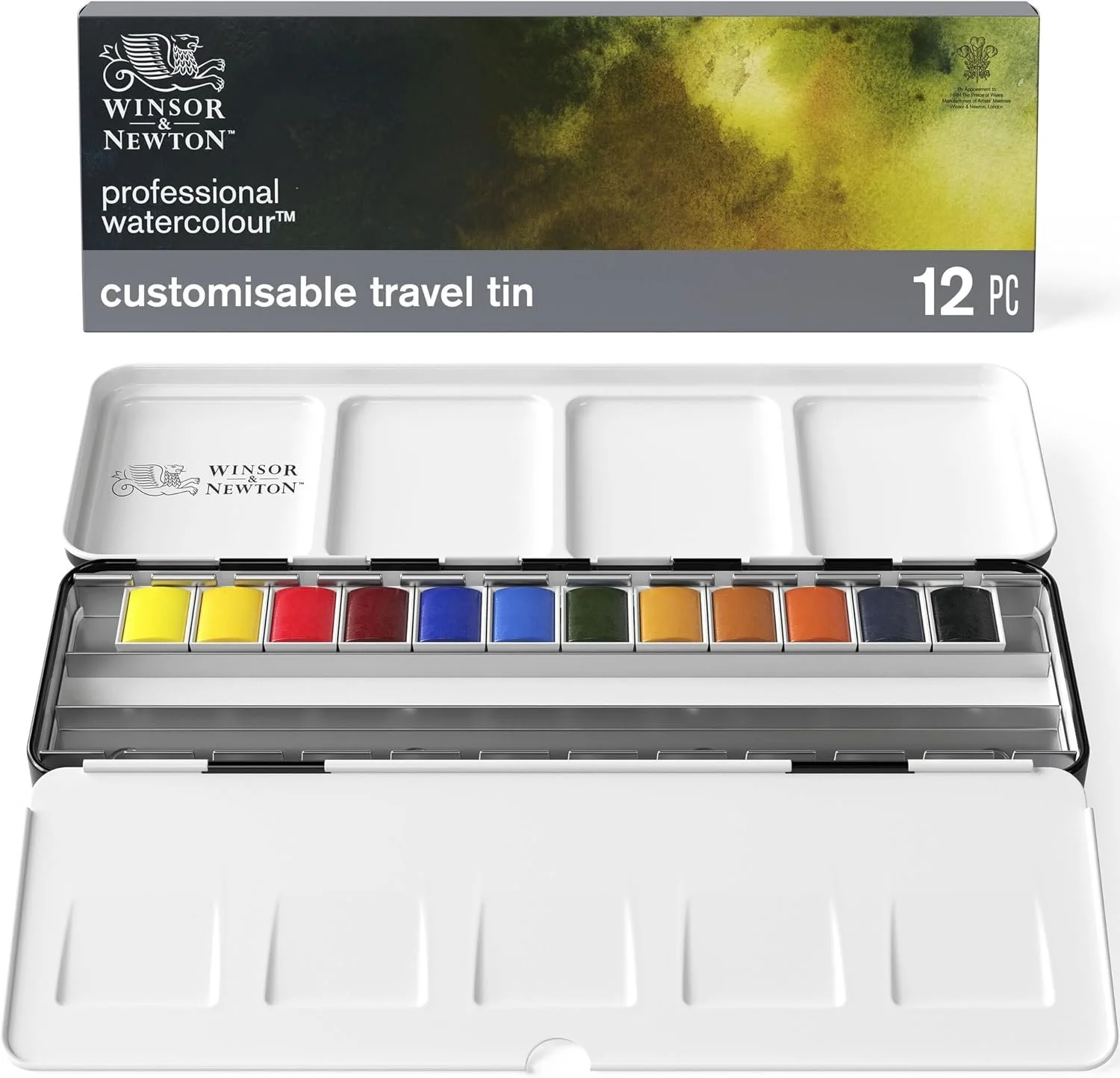
Winsor & Newton Professional Watercolor Paint Set, Black Box Set, 12 Half Pan
Why do I recommend this set? The Professional Watercolour pans are easy to use, and easier to manage wasting paint (tubes sometimes are hard to squeeze at a minimal amount). This tin also has room to expand your kit as you find colors you want to try and add to your kit.
-
Winsor & Newton Professional Watercolour Synthetic Brush, Round #6
Winsor & Newton University Brush - Round, Short Handle, Size 2/0
Why I recommend these paintbrushes? The synthetic sable brush is as close as you can get to a natural sable hair brush without spending the cost of a sable brush. To avoid the frustration of the brush not holding enough water, this synthetic sable brush will hold more water/paint than a typical synthetic brush. For a detail brush, I found the cheaper University Brush holds a point well, and is great for details. And as the tip gets worn on the detail brush, its cheap to replace.
-
Arches Watercolor Paper Block, Cold Press, 7" x 10", 140 pound
or
Winsor & Newton Professional Watercolor Paper Block, 9" x 12", Cold Pressed
I highly recommend getting one of these quality papers, which are 100% cotton watercolor paper. Why 100% watercolor paper?:
Watercolor will behave the way you expect.Water soaks in evenly, not patchy Paint spreads more smoothly instead of streaking. You get time to move the paint around
Blending is easier. Colors melt into each other naturally. Edges stay soft longer. You don’t get that “hard edge too soon” problem
You can fix mistakes easier (huge for beginners). You can lift pigment back out more easily. Lighten areas after they dry. Even gently scrub without destroying the surface
Handles lots of water without buckling. Stays flatter longer. Doesn’t wrinkle as much. You can do big juicy washes.
Colors look richer and cleaner. Pigment sits beautifully in the fibers. Less muddy mixing. Better luminosity. Colors look richer and softer
-
You might already have many of these items at home.
Once a dish is used for watercolor, do NOT use it for food or beverage consumption. Some materials in watercolor can be hazardous if ingested.
2 Old Cups. One for clean water, one for dirty water
Old towel, or paper towels
Old small ceramic or plastic plate to use as a palette
Pencil
Eraser
$$$$ I’m a watercolor enthusiast!
-
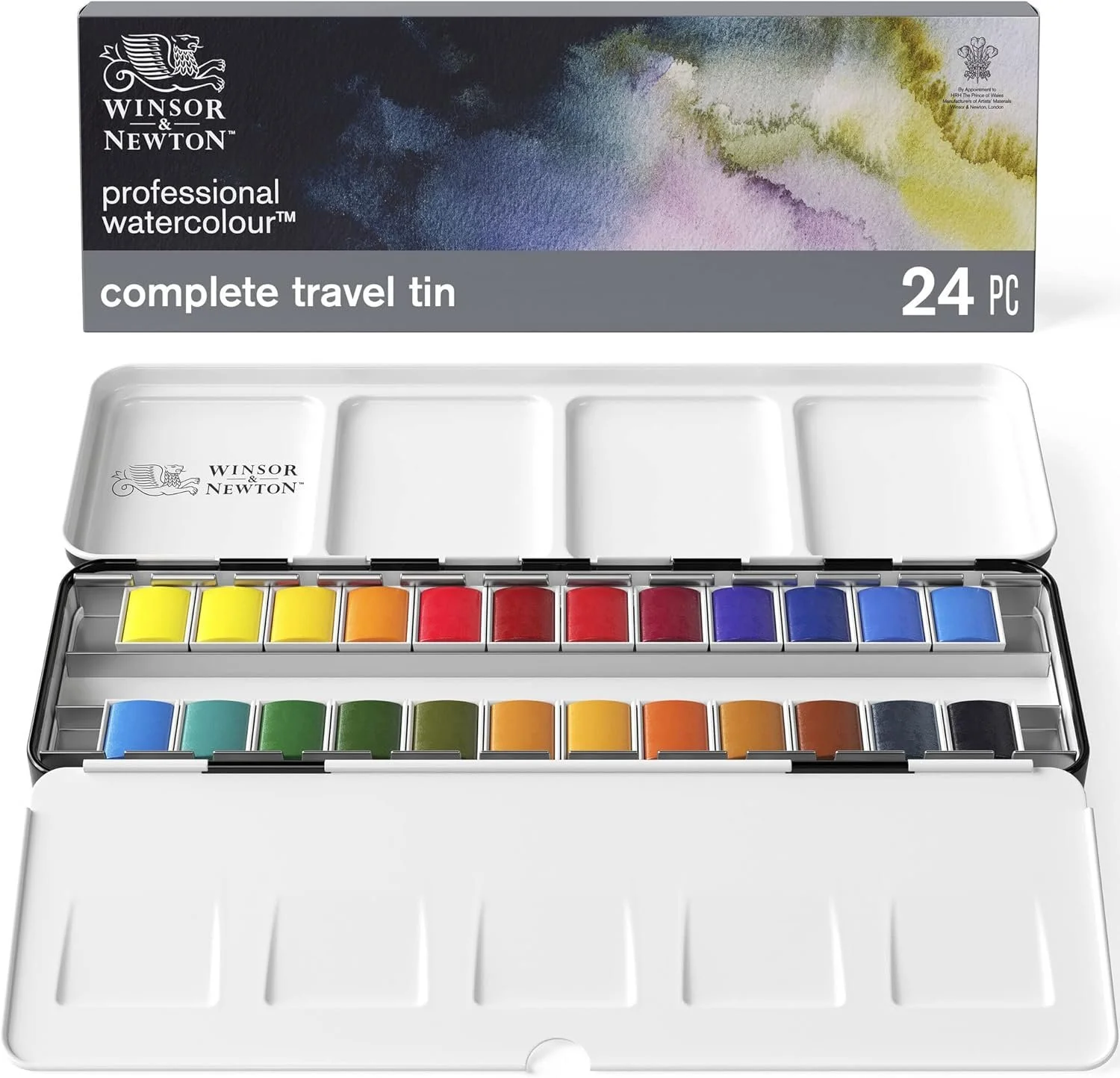
Winsor & Newton Professional Watercolor Paint Set, Lightweight Metal Box, 24 Half Pan
Why do I recommend this set? The Professional Watercolour pans are easy to use, and easier to manage wasting paint (tubes sometimes are hard to squeeze at a minimal amount). This tin comes with a wide range of colors. This is my go to kit.
I like to add Chinese White and Transparent Orange to this kit.
-
Winsor & Newton Professional Watercolor Synthetic Sable Brush, Round, #4
Winsor & Newton Professional Watercolour Synthetic Brush, Round #6
Winsor & Newton Professional Watercolor Synthetic Sable Brush, Round, #8
Winsor & Newton University Brush - Round, Short Handle, Size 2/0
Why I recommend these paintbrushes? The synthetic sable brush is as close as you can get to a natural sable hair brush without spending the cost of a sable brush. To avoid the frustration of the brush not holding enough water, this synthetic sable brush will hold more water/paint than a typical synthetic brush. For a detail brush, I found the cheaper University Brush holds a point well, and is great for details. And as the tip gets worn on the detail brush, its cheap to replace.
Optional upgrade option:
Winsor & Newton Series 7 Kolinsky Sable Brush, Round SH #7
Winsor & Newton Series 7 Kolinsky Sable Brush, Round SH #3
The Winsor & Newton Series 7 Kolinsky Sable brushes are are prized for their ability to hold a razor-sharp point while carrying an exceptional amount of water and pigment.
That said, these are unapologetically high-end natural hair brushes, and they’re not for everyone. Kolinsky sable has a softer, more fluid feel compared to many modern synthetics—some artists find it a bit too “floppy” or delicate. But for those who love that softness and responsiveness, this is truly the cream of the crop. I tend to use these when I do not want to hassle with switching brushes. Because they have such a fine tip, I can use it as a mop brush for large areas, and a detail brush, with the sharp tip.
-
Arches Watercolor Paper Block, Cold Press, 9" x 12", 140 pound
or
Winsor & Newton Professional Watercolor Paper Block, 9" x 12", Cold Pressed
I highly recommend getting one of these quality papers, which are 100% cotton watercolor paper. Why 100% watercolor paper?:
Watercolor will behave the way you expect.Water soaks in evenly, not patchy Paint spreads more smoothly instead of streaking. You get time to move the paint around
Blending is easier. Colors melt into each other naturally. Edges stay soft longer. You don’t get that “hard edge too soon” problem
You can fix mistakes easier (huge for beginners). You can lift pigment back out more easily. Lighten areas after they dry. Even gently scrub without destroying the surface
Handles lots of water without buckling. Stays flatter longer. Doesn’t wrinkle as much. You can do big juicy washes.
Colors look richer and cleaner. Pigment sits beautifully in the fibers. Less muddy mixing. Better luminosity. Colors look richer and softer
-
Art Masking Fluid - Winsor & Newton Watercolor Medium - Great for masking off white areas
Gum Arabic - Winsor & Newton Watercolor Medium - Great for changing the viscosity of the watercolor, change sheen/saturation, or to do subtle masking. More uses for Gum Arabic can be seen here
-
SAKURA Gelly Roll Basic White Gel Pen Set of 3, Assorted Sizes - These are great for white accents, especially for urban sketchers.
-
You might already have many of these items at home.
Once a dish is used for watercolor, do NOT use it for food or beverage consumption. Some materials in watercolor can be hazardous if ingested.
2 Old Cups. One for clean water, one for dirty water
Old towel, or paper towels
Old small ceramic or plastic plate to use as a palette
Pencil - 2H
$$$$ I’m a watercolor enthusiast! BUT, I prefer using tubes not pans
I use a porcelain palette with my watercolor tubes to minimize waste: I let leftover color dry in the wells and rehydrate it when needed. The large wells simplify mixing with big brushes, which is particularly useful for larger paintings and broad washes.

Youtube Channel - Color Pencil
Holbein Artists’ Colored Pencils - Permanence Chart
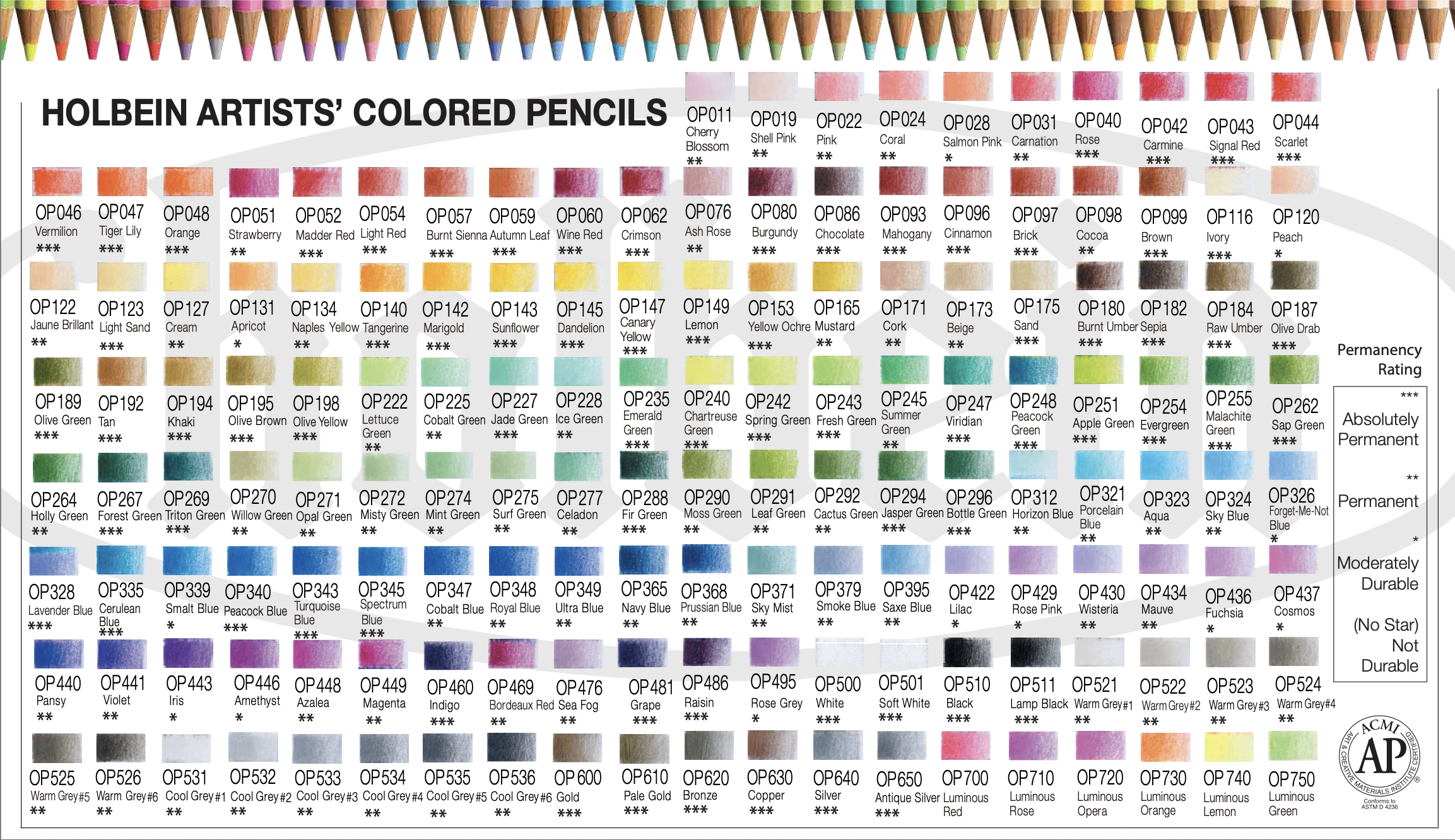
Holbein Artists’ Colored Pencils - Color List Chart, per set
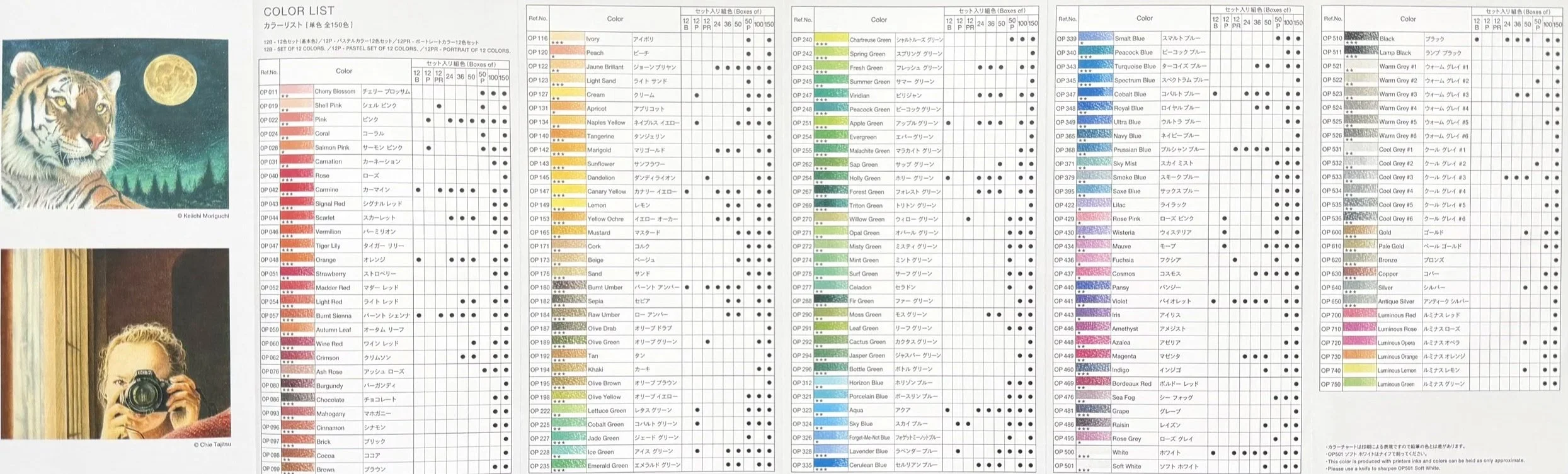
Holbein Artists’ Colored Pencils - Swatch Chart + Light Permanence
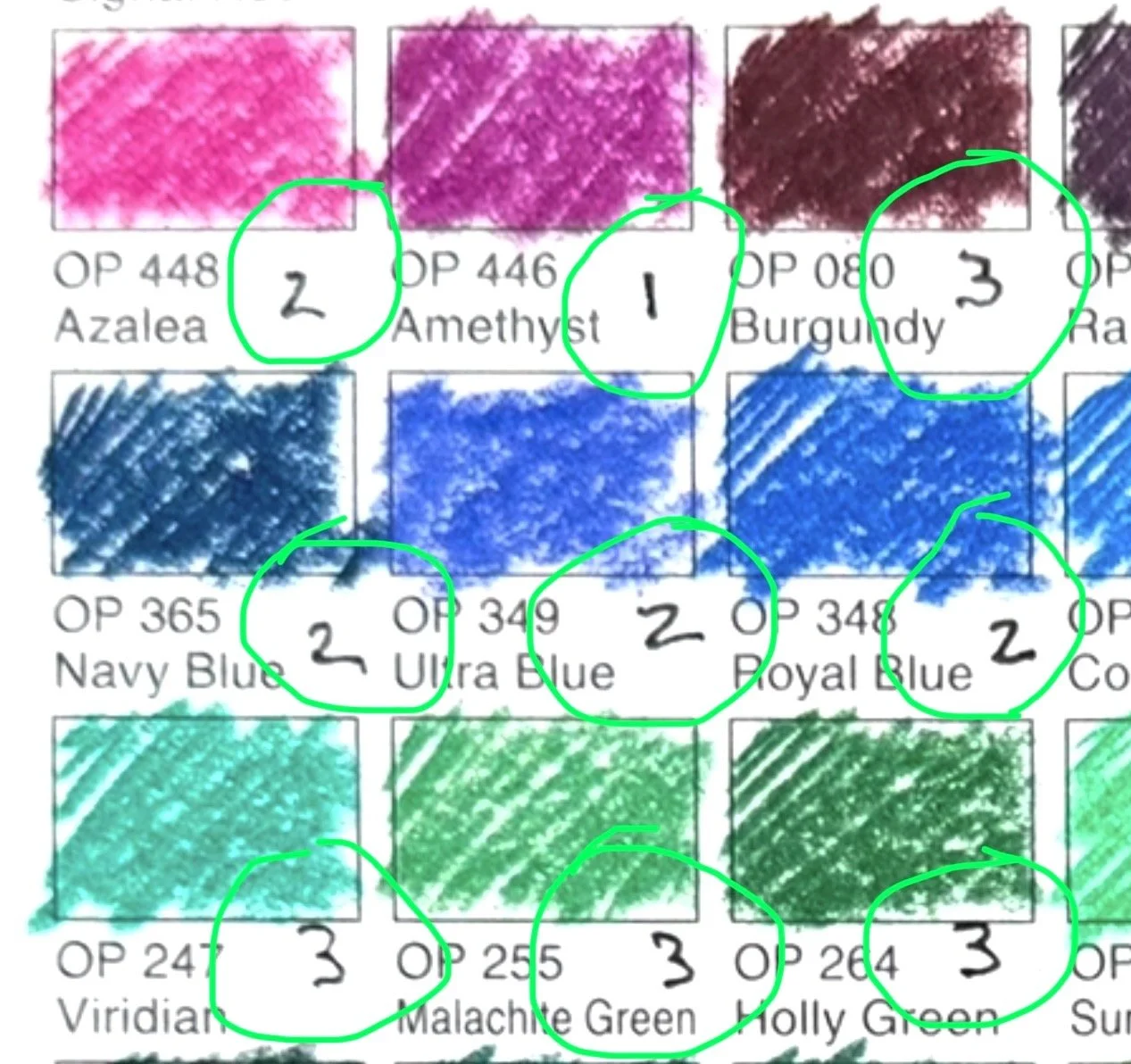
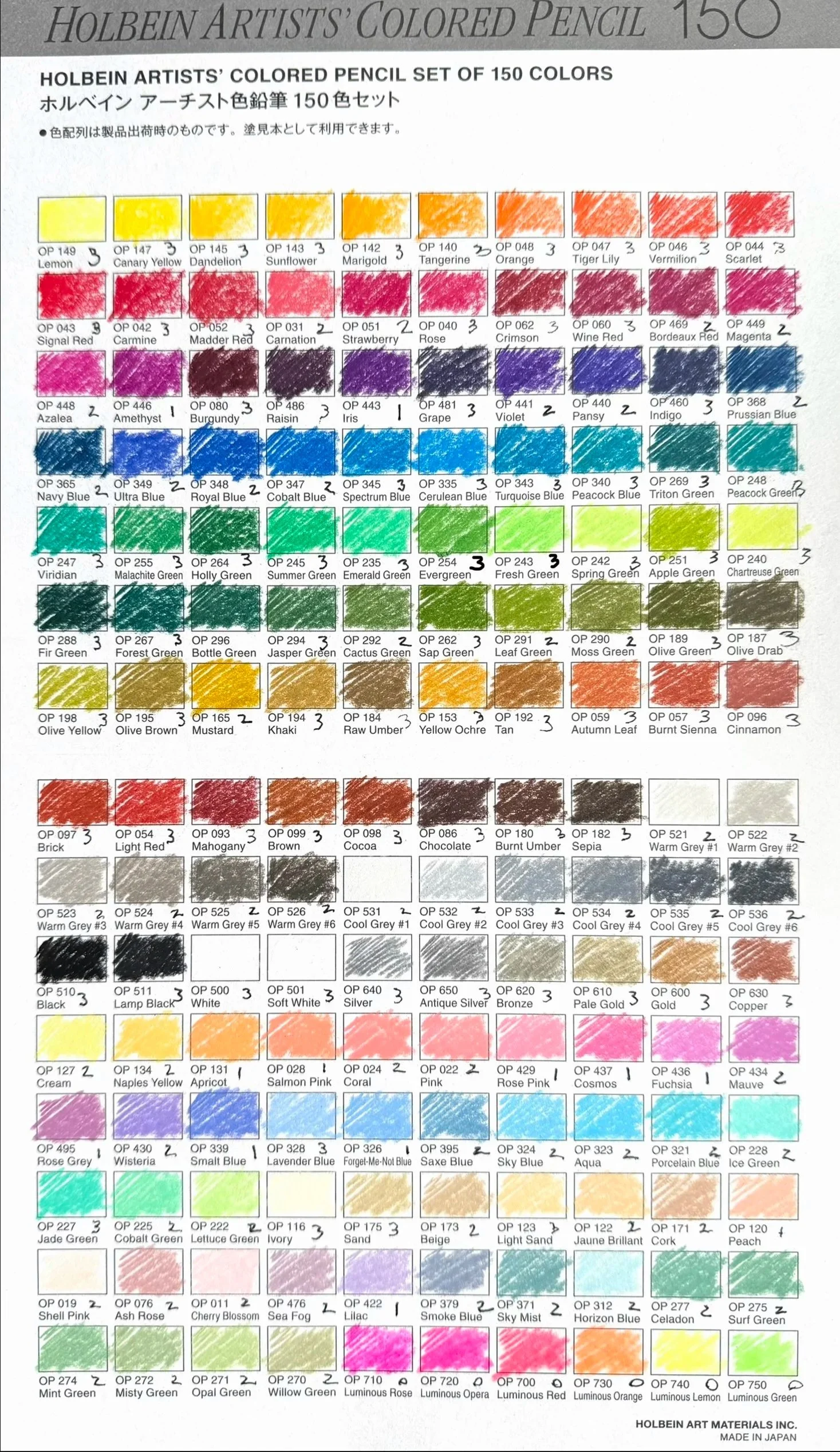
I hand-wrote the Holbein Light Permanence “star” rating number beside the color information, as seen circled in green.
College Lectures & Retail Demos +
Supply List
Brushes: Winsor & Newton Professional Watercolour Synthetic Sable Round (Size 6) for all painting, and Winsor & Newton University Round (Size 000) for details
Paint: Winsor & Newton Professional Watercolours (pans or tubes). Any colors you already have will work.
If you’d like a recommendation of colors:
Class 1 – Abstract Stones: one granulating color (French Ultramarine, Ultramarine Violet, Permanent Mauve, Manganese Blue Hue, Aqua Green, or Raw Umber)
Class 2 – Landscape Blooms: one dark, vibrant color (Ryan will use Smalt-Dumont’s Blue)
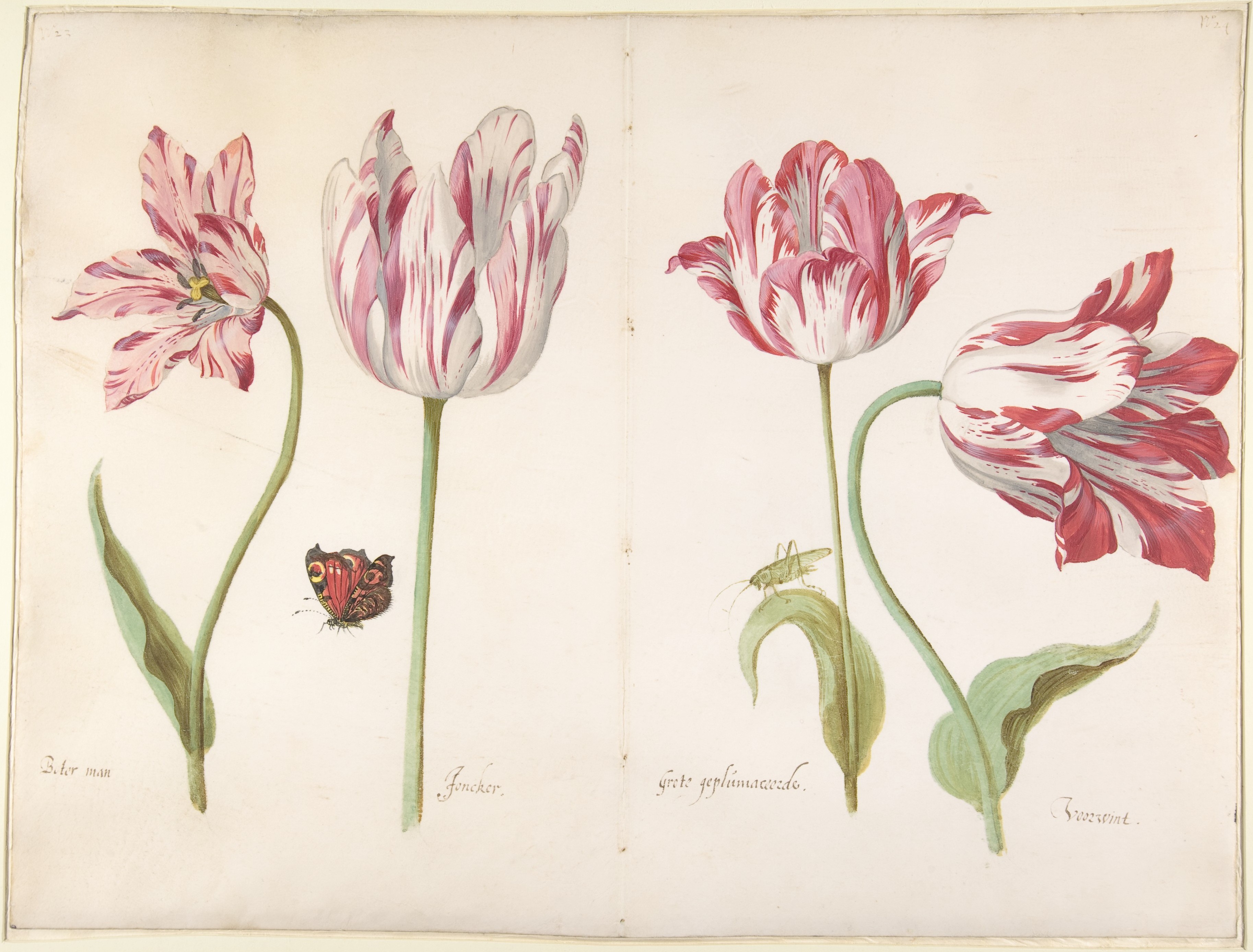
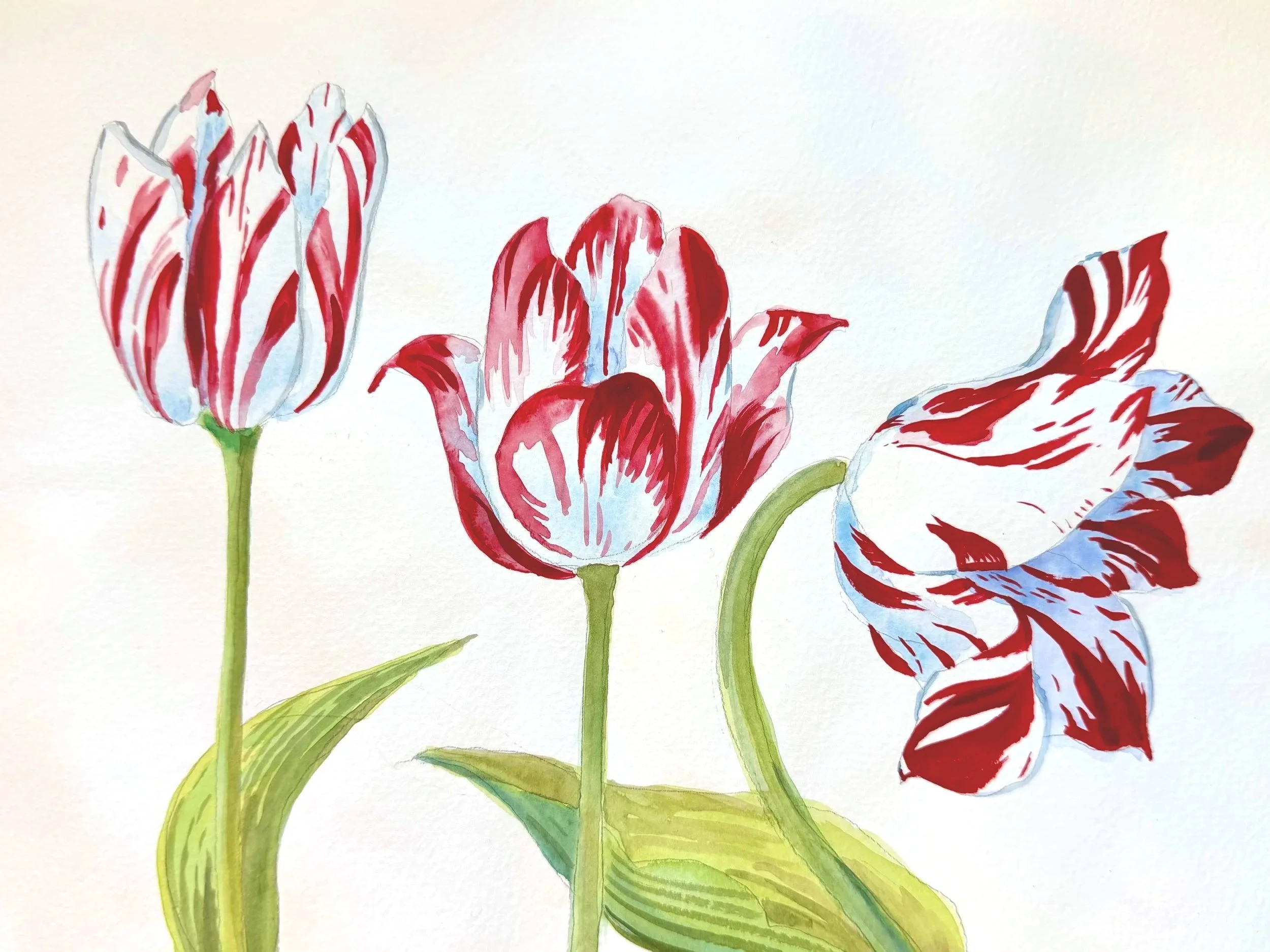
Class 3 – Floral Blooms: Your favorite floral colors; Ryan will use these primaries: Permanent Rose, Winsor Lemon, Winsor Blue (Red Shade), and Permanent Rose
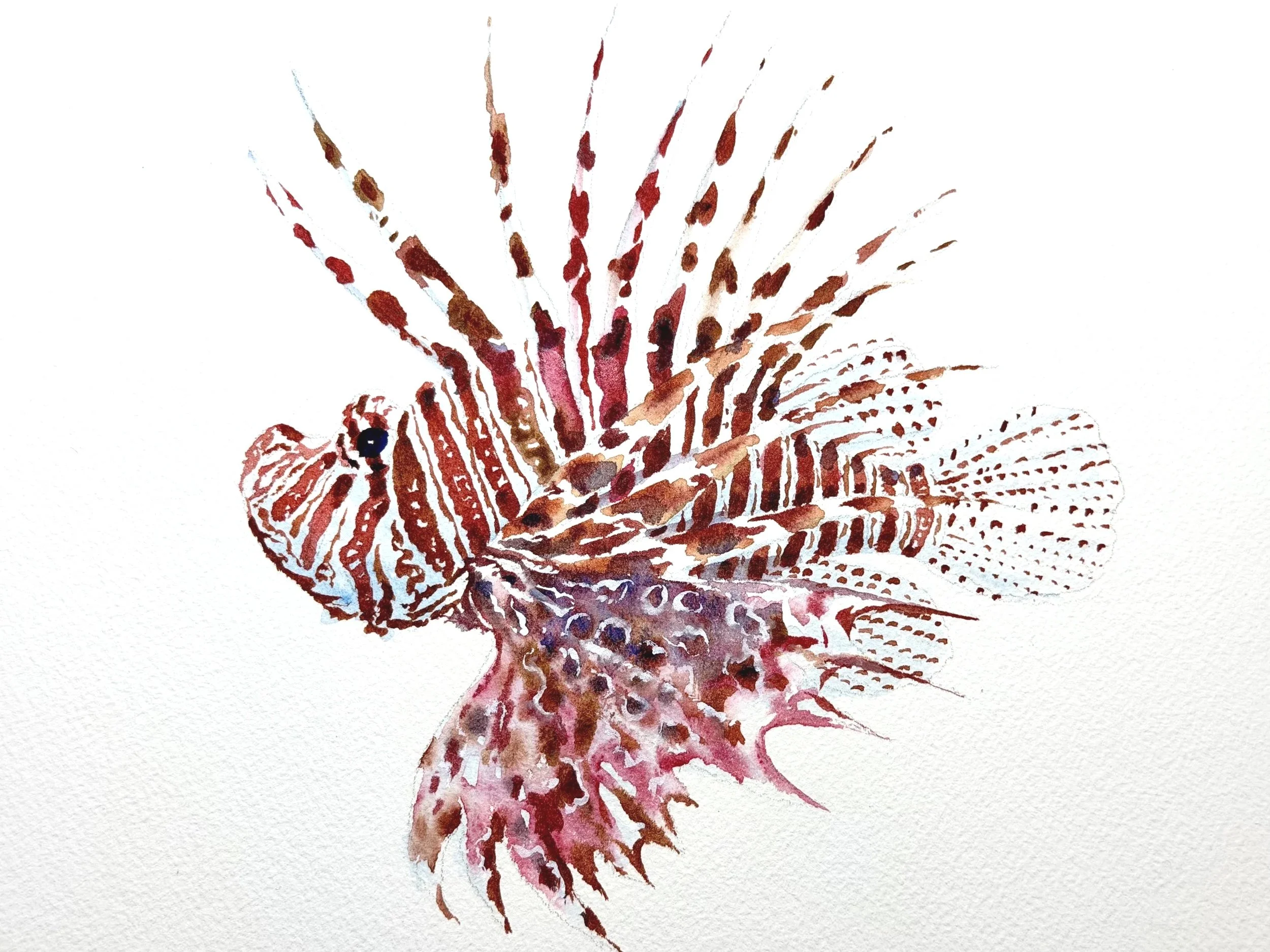
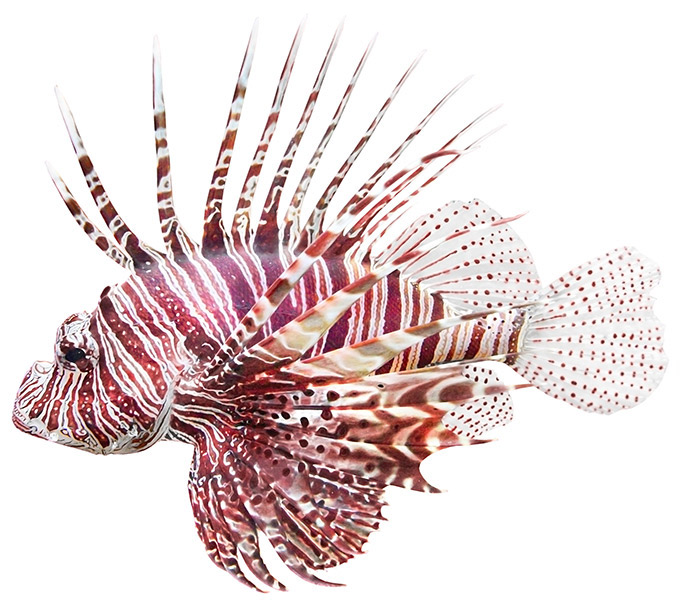
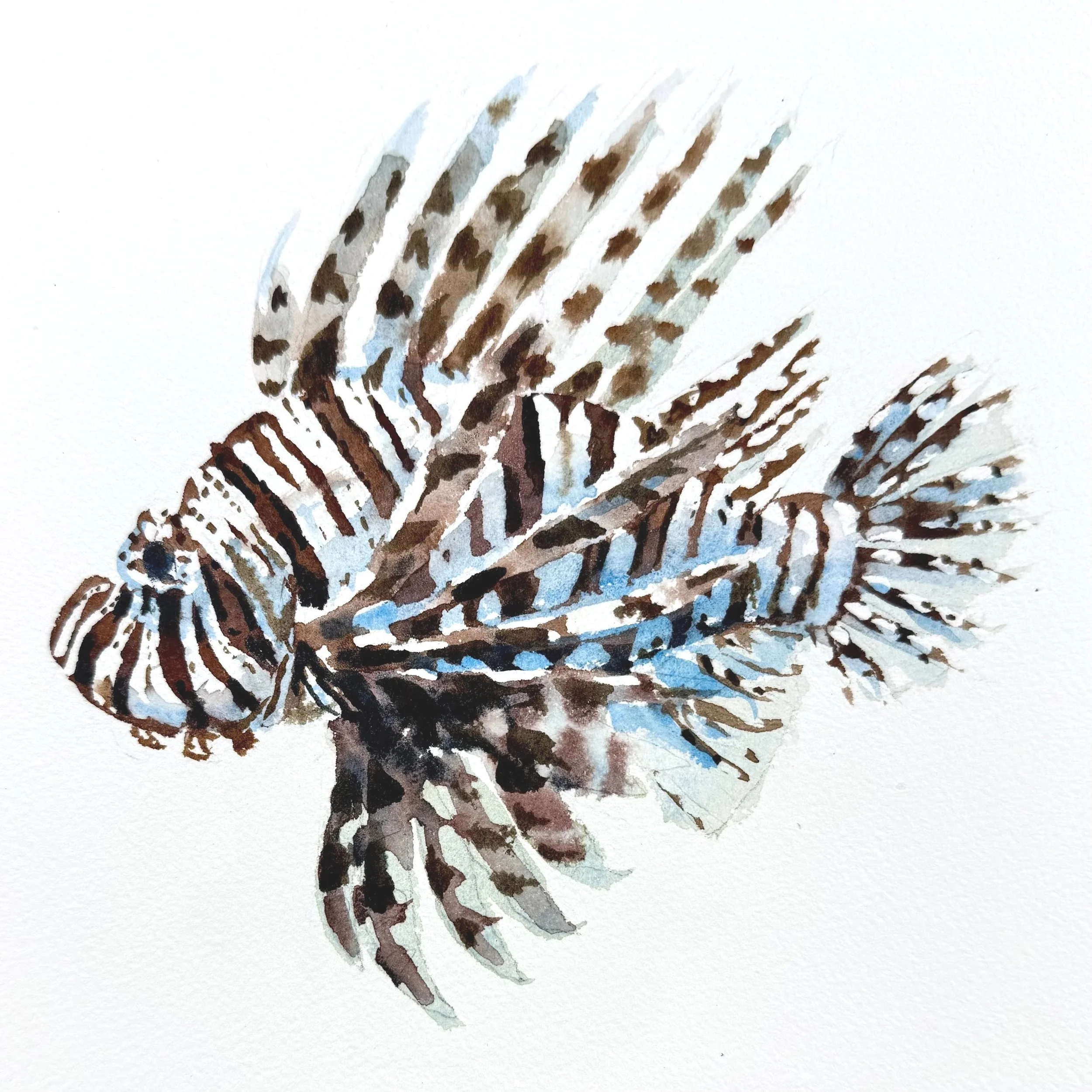
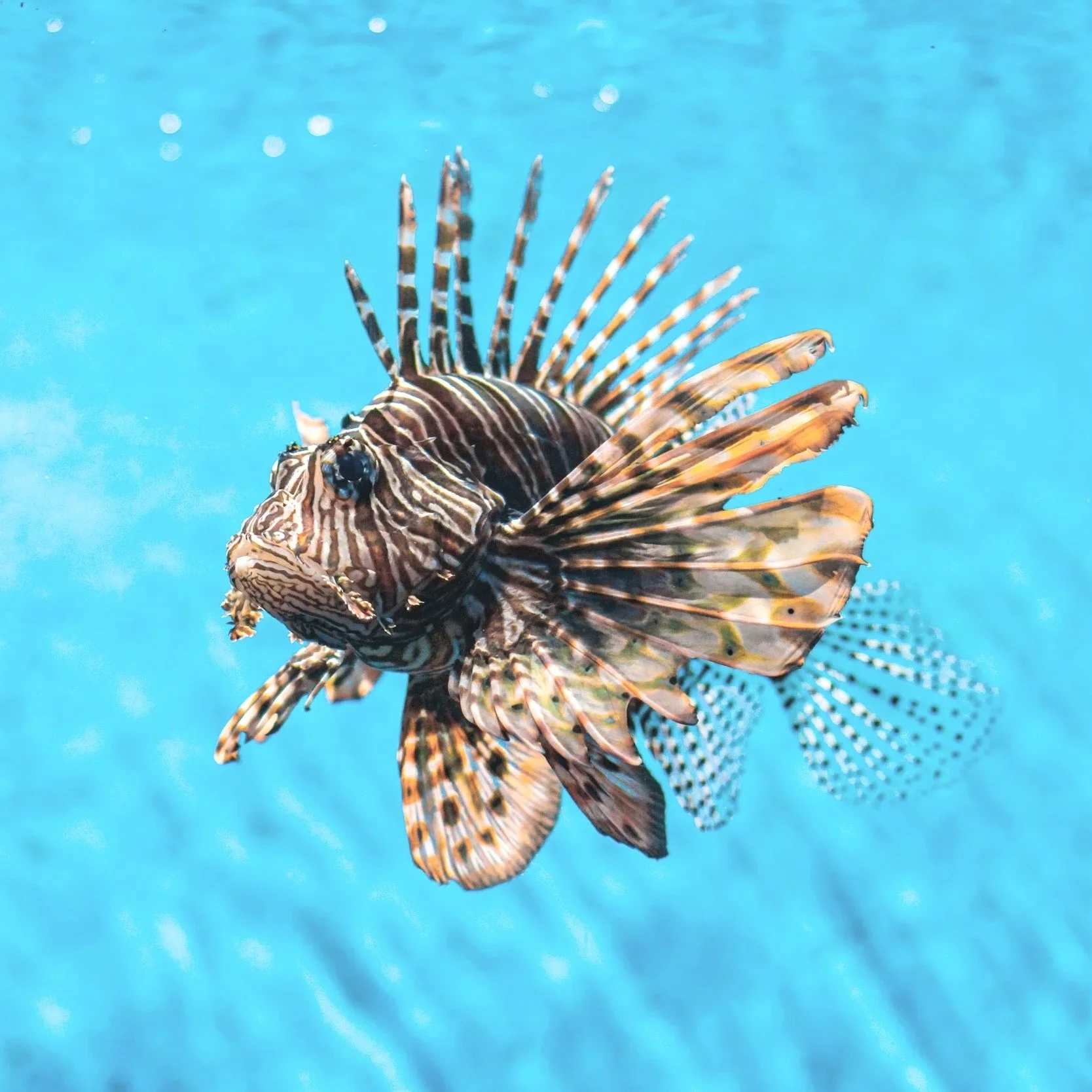
Class 4 – Lionfish: This project can be done in one dark color (but Ryan will use Burnt Sienna, Burnt Umber and Cerulean Blue Hue)
Mediums & Tools: Winsor & Newton Art Masking Fluid, plus a toothpick or paper clip for applying it.
Paper: Winsor & Newton Professional Watercolour Paper, 140 lb (300 gsm), cold press (pad or loose sheets) 7 x 10 inches or 9 x 12 inches. Note for students: High-quality paper is important for blooms, granulation, lifting and masking fluid techniques.
Studio Basics: Palette or mixing surface, water cup (two recommended), paper towels or cloth, pencil and eraser for light sketching. If you have a hair blow dryer on hand, that can speed up the layering process.
Tulip Example and Reference
Lion fish Example and References